Thriving Gardens in Arid Climates: Essential Tips for Desert Landscaping Mar 02, 2026
The key to effective desert landscaping begins with understanding your environment. Arid climates are characterized by extreme temperatures, intense sunlight, and minimal rainfall. Adapting to these conditions involves selecting drought-tolerant plants that naturally thrive with limited water. Native desert plants such as cacti, succulents, and agave are excellent choices due to their adaptability. These plants not only conserve water but also add unique textures and vibrant colors to your garden.
Water conservation is a cornerstone of desert landscaping. Implementing efficient irrigation systems like drip irrigation can significantly reduce water usage while ensuring targeted hydration to your plants' roots. This method minimizes water waste, enhances absorption, and promotes healthier plant growth. Additionally, applying a layer of organic mulch around plants helps retain moisture, moderate soil temperature, and reduce weed growth, contributing to a sustainable gardening practice in dry environments.
Soil quality is another crucial factor that influences plant health in desert climates. Desert soil tends to be sandy and less nutrient-rich, which can pose challenges for plant growth. To amend this, incorporate organic materials such as compost or well-decomposed manure into the soil. This enriches the ground, improves water retention, and provides essential nutrients for your plants. Regularly testing your soil and adjusting its composition accordingly will further enhance your garden's vitality.
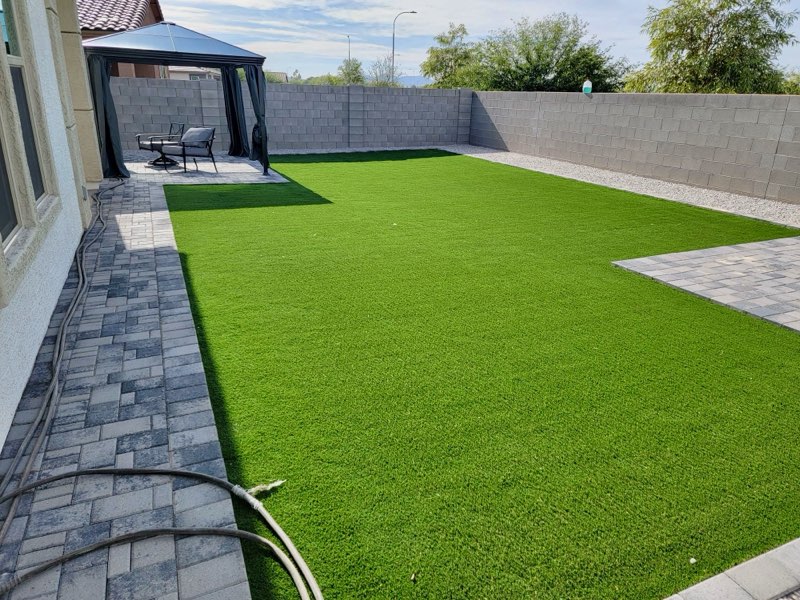
Strategic planning and design are vital when creating a visually appealing and functional desert garden. Consider grouping plants with similar water and light requirements together. This not only simplifies maintenance but creates an organized and harmonious landscape design. Additionally, incorporating hardscaping elements such as rocks, gravel, or boulders adds structure and interest to your garden while reducing the areas that require irrigation.
Seasonal care and maintenance are important to ensuring the longevity and beauty of your desert landscape. Regularly inspect plants for signs of stress or pest infestations, as these can quickly escalate in arid conditions. Prune dead or diseased branches promptly to promote healthy growth. During the cooler months, take the opportunity to fertilize and adjust your plant's nutrition needs, preparing them for the upcoming thermal challenge of summer.
In conclusion, transforming a sun-scorched, barren yard into a beautiful oasis is entirely possible with thoughtful planning and execution. Grand Canyon State Landscape Inc. is dedicated to providing expert landscaping and hardscaping solutions that cater specifically to desert climates. By choosing drought-resistant plants, conserving water effectively, and maintaining soil health, you can enjoy a verdant haven that not only enhances your home's curb appeal but also aligns with sustainable practices critical in conserving precious resources in arid regions.
These tips are more than just guidelines; they are an invitation to embrace the unique beauty and challenges of desert landscaping. When approached with knowledge and creativity, your garden can not only survive but truly thrive in the most challenging environments. Contact Grand Canyon State Landscape Inc. today and let our experts help you design and maintain a garden that's tailored to thrive under the desert sun.
/filters:no_upscale()/filters:format(webp)/media/43428bb1-9b93-4101-bf19-18687c9df80f.jpeg)