Incorporating Art into Landscaping: Merging Aesthetics and Functionality Jun 03, 2026
Starting with the basics, merging art into landscaping can transform a simple garden into an exquisite outdoor living area. This transformation starts with understanding the space available and how different art elements can enhance rather than overpower it. From sculptures and water features to strategically placed seating areas, every addition should serve both an artistic and practical purpose.
A well-thought-out design is the cornerstone of any successful landscape art project. Begin by selecting a theme that resonates with your personal style or the unique character of your property. Themes can range from minimalist Zen gardens to vibrant Mediterranean-inspired escapes. Once a theme is selected, coherence is key. Stick to materials and colors that complement each other, ensuring the artistic elements do not clash with the natural surroundings.
Sculptures can be a striking addition to any garden, serving as focal points that draw the eye and encourage movement throughout the space. When choosing sculptures, consider their size and material. Larger pieces can become centerpieces in open areas while smaller, more intricate sculptures work well in intimate corners, creating a sense of discovery. Materials like metal, stone, and ceramic not only weather various conditions but also add texture and interest.
Water features such as fountains or small ponds introduce an element of tranquility, enhancing the sensory experience of the garden. The soothing sounds of flowing water can mask undesirable noises, providing a peaceful retreat. Moreover, water features can serve practical functions, such as birdbaths attracting wildlife, further enriching your garden’s ecosystem.
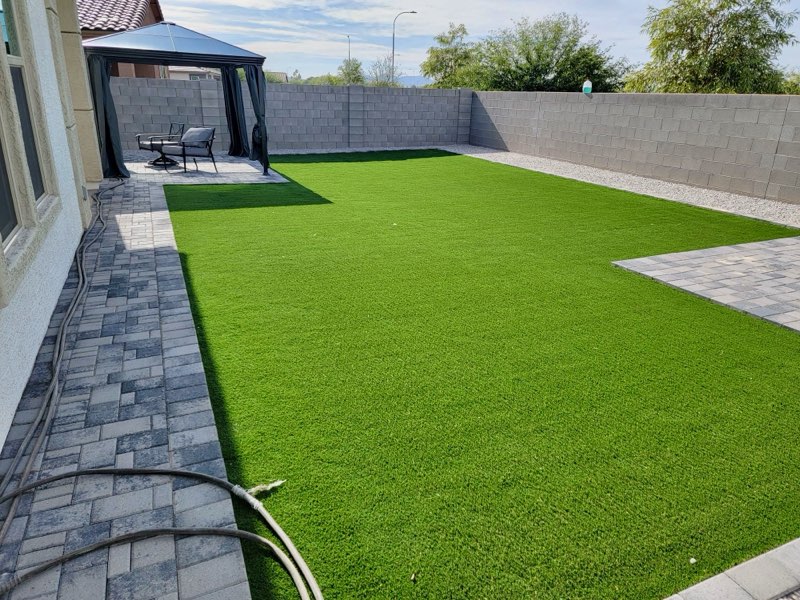
Pathways are another integral aspect that fuses art with functionality. These walkways can guide visitors through your landscape while protecting the plants. Consider using mosaic tiles or patterned stones to create pathways that are as beautiful as they are practical. Not only do they support foot traffic, but they also contribute to the overall artistic impression of the garden.
Incorporating lighting elevates the artful landscape from day to night. Natural light highlights different features throughout the day, but creative lighting solutions ensure the garden remains enchanting after sunset. Strategically placed lights can emphasize sculptures, illuminate pathways, and highlight water features. Solar-powered or LED lights are sustainable choices that also keep energy costs low.
Finally, don’t underestimate the power of plants in landscape art. Select varieties that not only thrive in your region but also align with your artistic theme. The interplay of leaf shapes, colors, and textures can create living art throughout the seasons. Carefully consider how planting arrangements can also serve functional needs, such as providing shade or supporting local wildlife.
In conclusion, incorporating art into landscaping at Grand Canyon State Landscape Inc. means creating a space that is not only visually captivating but also functional and sustainable. By thoughtfully selecting and positioning elements such as sculptures, water features, pathways, and strategic planting, your garden can become an ever-evolving masterpiece. Whether you seek a serene retreat or a vibrant outdoor living space, merging art with functionality will imbue your landscape with long-lasting beauty and use.
/filters:no_upscale()/filters:format(webp)/media/43428bb1-9b93-4101-bf19-18687c9df80f.jpeg)