Desert Resilience: Designing Landscapes That Withstand Arizona’s Climate Challenges Jun 07, 2026
To begin with, understanding Arizona's climate is crucial. The state is renowned for its scorching summers, limited rainfall, and often unpredictable monsoons. Such conditions necessitate landscaping designs that are both aesthetically appealing and environmentally resilient. By leveraging native plants and smart landscaping techniques, homeowners can create lush, thriving gardens that can withstand harsh weather.
One of the primary strategies is the use of xeriscaping, a landscaping philosophy designed to reduce water use. This involves choosing drought-tolerant plants that are naturally adapted to arid environments. Cacti, succulents, and native grasses not only thrive in the desert climate but also require minimal irrigation. By incorporating these hardy plants into your landscape, you are not only preserving valuable water resources but also cutting down on your water bills. Grand Canyon State Landscape Inc. often recommends xeriscaping as a default choice for sustainable desert landscapes.
Efficient irrigation systems are equally important. Traditional watering systems can lead to water wastage and might not be effective in getting water directly to the plants’ roots. Instead, drip irrigation is recommended—it delivers water right where it's needed most, minimizing evaporation and runoff. By using automated timers, homeowners can ensure their landscapes are watered consistently, optimizing plant health and resilience.
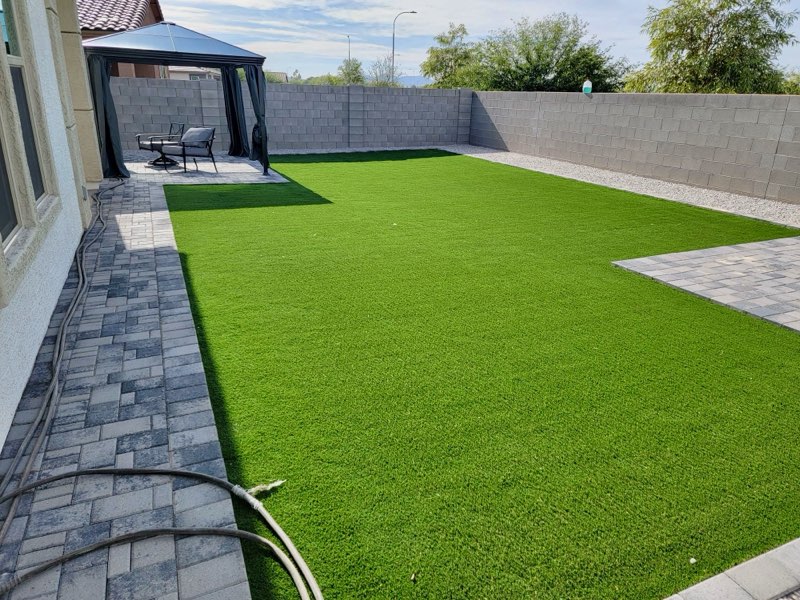
Incorporating hardscaping elements is another effective way to enhance a landscape's durability while reducing water usage. Stone pathways, gravel beds, and paved patios not only add structure and beauty but also prevent soil erosion and facilitate rainwater drainage. These features offer an elegant solution for managing stormwater and retaining moisture in the plant zones.
Another key aspect involves mindful mulching. Applying organic mulch around plants helps retain soil moisture, regulate temperature, and reduce weed growth. It essentially acts as a natural blanket, protecting the plant roots from the intense summer sun and preserving irrigation efforts.
Moreover, proper plant placement is vital. Positioning plants based on their sun and water requirements creates a more resilient landscape. Taller plants can provide shade to smaller, more delicate species, creating microclimates that increase the overall sustainability of the garden.
Lastly, the beauty of landscaping goes beyond plants. Lighting can enhance the ambiance and functionality of outdoor spaces while also improving safety. Solar-powered lighting, in particular, offers an energy-efficient way to illuminate your landscape, highlighting the beauty of your property while respecting environmental resources.
In conclusion, designing a desert-resilient landscape in Arizona involves a strategic blend of native plants, efficient water management, creative hardscaping, and strategic plant positioning. Grand Canyon State Landscape Inc. is committed to crafting stunning landscapes that not only highlight the natural beauty of the desert but also respect its delicate ecosystem. By embracing these sustainable landscaping practices, homeowners can create outdoor spaces that are not only beautiful and functional but also harmoniously integrated with Arizona's unique environment.
By taking these thoughtful approaches, homeowners can ensure that their landscapes are not only capable of enduring Arizona's climate challenges but also thriving through them.
/filters:no_upscale()/filters:format(webp)/media/43428bb1-9b93-4101-bf19-18687c9df80f.jpeg)